
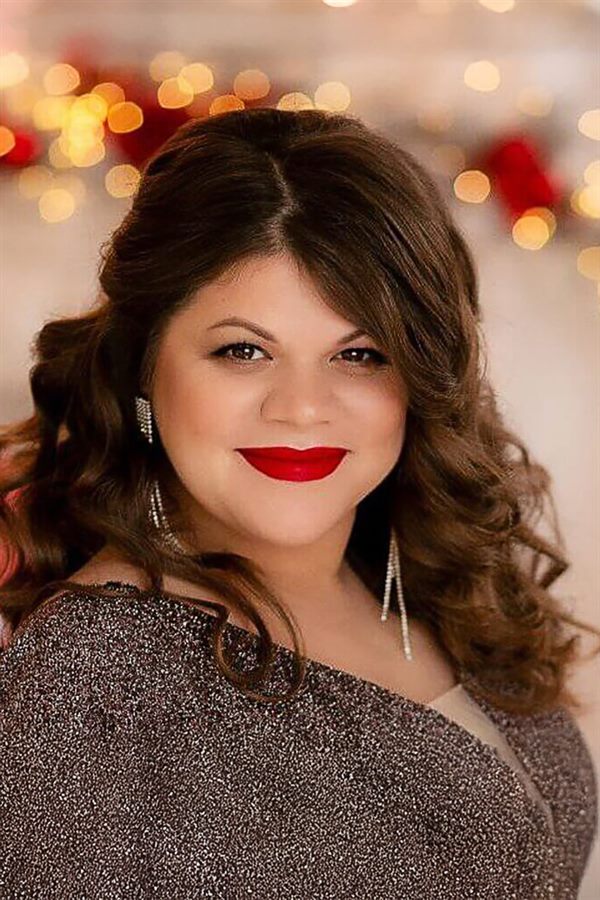
How a camera from my husband changed everything
I always loved taking pictures. It’s not that I dreamed about it since childhood. It’s just that in any group I was the first to grab my phone and capture the moment. I remember how happy I was when I managed to catch the light or an expression that someone else wouldn’t even notice. It was my way of saying: “Look how beautiful this is!”
Then my daughter was born. And that habit turned into a daily need: to capture her smile, the little changes, our moments. That’s when my husband gave me a camera. It was a simple budget model. But in that moment I felt it: this is something more. More than a hobby, a hint at my new path.
I chose the Photo Academy because I wanted to learn with a mentor. I came just to learn to take nice photos, but from the first lessons I realized I wanted more.
I no longer saw myself at the bank where I had worked for 10 years. After long years of numbers and reports, I wanted at least a little imagination and color. And I got all of that in my photography lessons.
On maternity leave I had one luxury (moms will understand): time to rethink things. I told myself: if not now, then when? I want this profession and I can definitely do it.
Studying was easy and hard at the same time, just in different areas. But I woke up thinking about new ideas. I wanted to do everything in a special way. It was like a dam had burst. Inspiration came easily. I had so many ideas I barely had time for breakfast. Camera settings came to me surprisingly easily. Maybe my banking experience helped. Or maybe they really aren’t as scary as they seem until you try.
Either way, that’s when I first felt it: photography is more than “pretty pictures.” It’s my new language. And I want to master it completely.
How to find time when there isn’t any
Two things were the hardest for me. The first was finding that time. On maternity leave, honestly, there isn’t that much of it. A child doesn’t ask when your assignment is due. She wants to go for a walk, play, eat, and then start all over again. And on top of all these joys of maternity leave, in my Zaporizhzhia there are constant air raid alerts.
But I quickly understood one thing: if you truly love something, you’ll find the time. Even when it seems there’s none at all.
And I did. Usually when my little girl was asleep. Quite often in the middle of the night. My daughter is asleep, the sirens have gone quiet, and that’s when the mafia wakes up… I mean, the magic. Sometimes the best photos happened at two in the morning. Because once you get a little peace, you want to create.
Impostor syndrome in action
The second thing that got in my way was that famous impostor syndrome. A kind of inner Oksana who keeps whispering: “Are you sure it turned out well?” I doubted the light, the ideas, the meaning I planned to convey, all the time.
When I sent my work to my mentor, I was hit by wild anxiety: would he accept it, and what would he say. Then I’d ask friends: “Tell me honestly, is this photo even okay?” And by the way, they told me it was okay, even good. People often asked me for advice. And my mentor often praised me. But I still doubted. Because that’s how we girls are: first we decide we’re not good enough, and then we talk ourselves into believing everything is fine. I realized that when you see progress and have support, the inner impostor is easier to tame.
Instagram was a mini quest of its own. I started posting my photos, and strangers started writing: “Wow, what a shot!” or “You’re so talented.” And I kept thinking they were just being polite… Until we touched on this topic in the course, and it clicked. These comments don’t come out of thin air. They’re about my work. It’s not luck and not an accident, it’s my result.
I started to trust myself
I think everyone has doubts. I had them too. But I decided right away not to compare myself with others. Because it’s an endless TV series: you’re in the lead role, and somehow everyone else is always better.
And this strategy works. I saw that every week I understood more and could do more, and I saw my photos changing. Within a month, the settings were automatic for me. And a month after that, I’d look at a location or an object and know exactly: I’ll put the light here, the shadow will fall here, and this is where the perfect shot will be. It was pure joy.
Then I got my first professional light, and it was love. I started playing with flash, trying new things, experimenting. And the photos became “wow.” Even I didn’t believe at first that I had shot them.
And that’s when I realized I was no longer just trying, I was working. And I’m good at it.
Why moms choose product photography
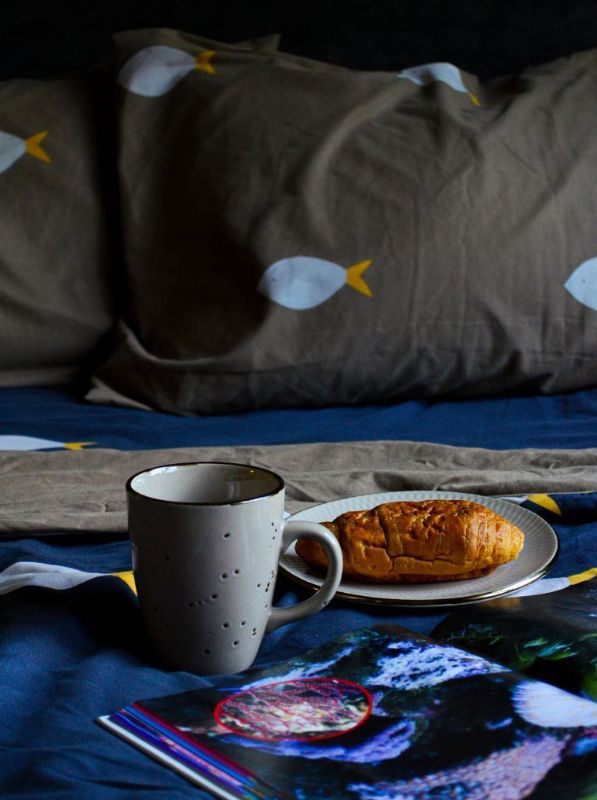
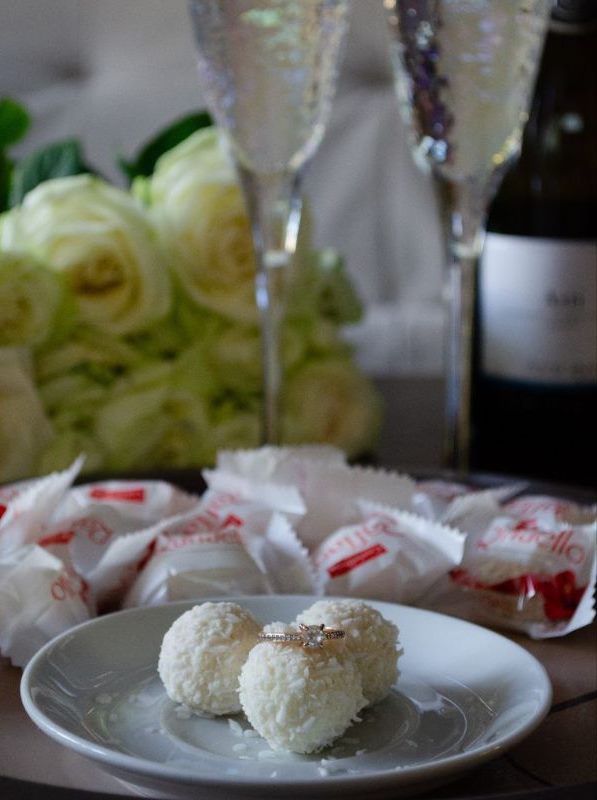
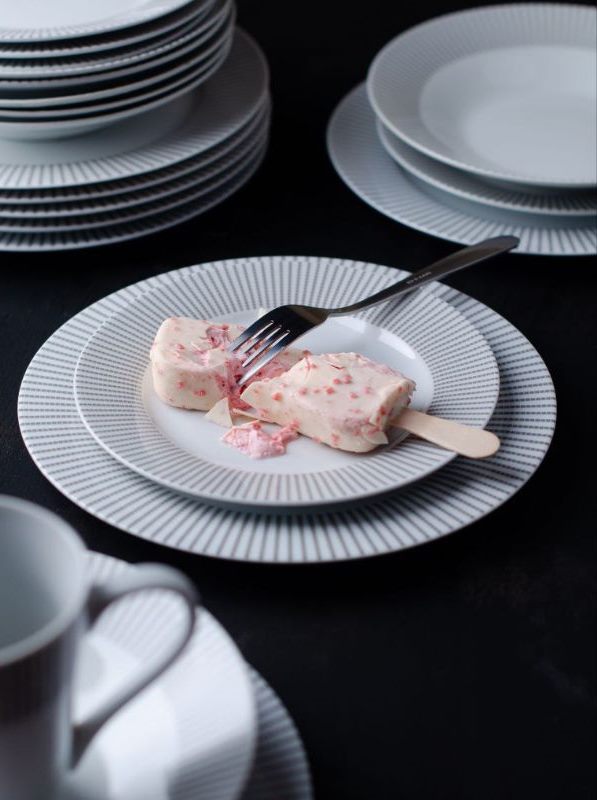
There are many reasons why I chose product photography. But the main one is that I adore details. I’m always drawn to hang something up, make it “fly,” create motion in a frame where everything is actually still. Product photography gives my imagination room.
Besides, objects aren’t food that loses its look in 15 minutes. And they aren’t a model who can only come “on Tuesday after three, if it doesn’t rain.” And you don’t have to guess their mood.
Objects are just there: they stand the way you place them, they don’t blink, they don’t get tired and they don’t melt in the sun. They’re the perfect “models,” if you think about it.
Of course, you need to know how to get the message across, show the benefit and the function, and do it beautifully. But it’s really fascinating to decode objects instead of a person’s mood.
One more important detail: I’m on maternity leave, and traveling somewhere for shoots is not an option for me. But setting up a home photo studio where I can shoot while my child sleeps (or even at night) sounds realistic.

Sometimes the fee is valuable, and sometimes the experience is
My first booking in commercial photography… let’s say it turned out to be unprofitable for me. But the experience became truly valuable. I don’t think I’m the only one who started this way, so I’ll tell it honestly.
It was the first months of my studies. I really wanted real projects in my portfolio and experience working with clients. So I agreed with a brand on a free product shoot in exchange for permission to show it in my portfolio.
At that point at the Photo Academy we hadn’t yet reached the section on negotiations, so I acted on intuition. In short, I was just happy they said “okay.”
After the shoot I delivered the finished photos to the client, and then it began… Lots of edits we hadn’t discussed in advance. But I didn’t argue, because I really wanted to prove I could do it well. In the end: I spent a lot of time, bought the props myself (not the cheapest ones) and, honestly, burned out a little. The client got really good photos, and I got a short, dry “Thank you.” That was it. For an emotional person, it was very unpleasant. I was just waiting for some kind of feedback, not silence.
But the most interesting part came next. A month later, the same brand wrote to me and ordered a new shoot, this time paid and on a different theme. No extra questions, because the result from last time suited them 100%.
What I took away from this:
Paid shoot or free, agree on everything in advance. It’s better to say too much up front than to get an unpleasant surprise later.
The client doesn’t have to tell you how great you are. They came for the result. And if they’re happy, that’s already a win.
Work done well is a deposit. Even if today you got a “thank you,” it’s very likely that tomorrow it will be “and how much is the next shoot?”
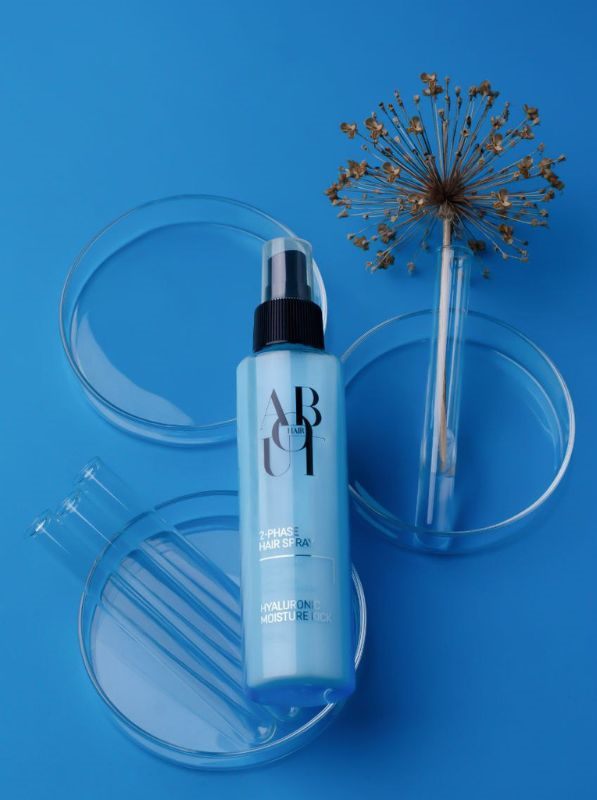
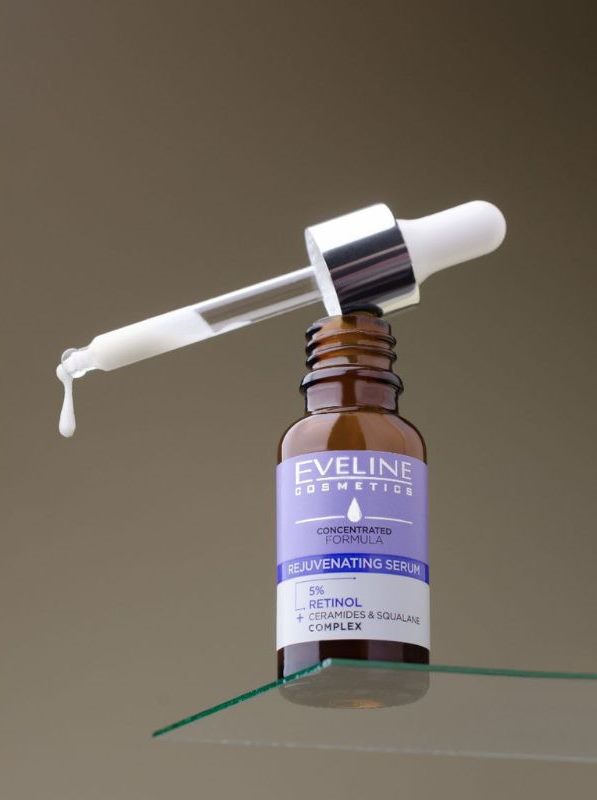
Where clients come from
My clients vary, most often they’re cosmetics brands. Some are regulars. Sometimes clients come on their own: some find me through Instagram, some through ads. So it’s extremely important to be on social media and run it well. But honestly, I like to take the initiative. Sitting and waiting for someone to write is not really my thing.
I just look at brands I like and think: “I know exactly what shoot I’d do for them. I can already see the shots.” And I write to them. And it’s better to write by email, not just in a DM. Because, here’s a secret, an email looks much more serious. It’s no longer just “oh, hi,” it’s a proper business approach. My mentor taught me that, by the way. And it really does work better. You don’t have to wait for the weather to change. Better to row the boat a little yourself.
Life between sirens and softbox light
A city near the front line is a reality of its own, where photography looks a little different than in the pictures on Pinterest.
Before I started studying, my child and I left for a safer place. But later I decided to come back. It wasn’t easy, but I stayed, because my loved ones and my life are here. And even though I work at home, in my own mini studio, even a perfectly planned shoot can suddenly stop. I can build the composition, set up the light, be just about to start, and that very second grab my child and run to the shelter. That’s my reality right now.
Another thing is kindergartens, which simply aren’t open right now. So my daughter is with me all the time. And that’s one more reason I’m not at the bank: I just couldn’t manage it there. But photography, even with breaks, even if not always according to plan, fits into this life.
I won’t say it saves my state of mind all that much, because first of all it’s work. But in the moment when I’m shooting, my brain switches off. I don’t need music, meditation or anything in the background. There’s me, the camera and silence. And in that silence I breathe out a little.
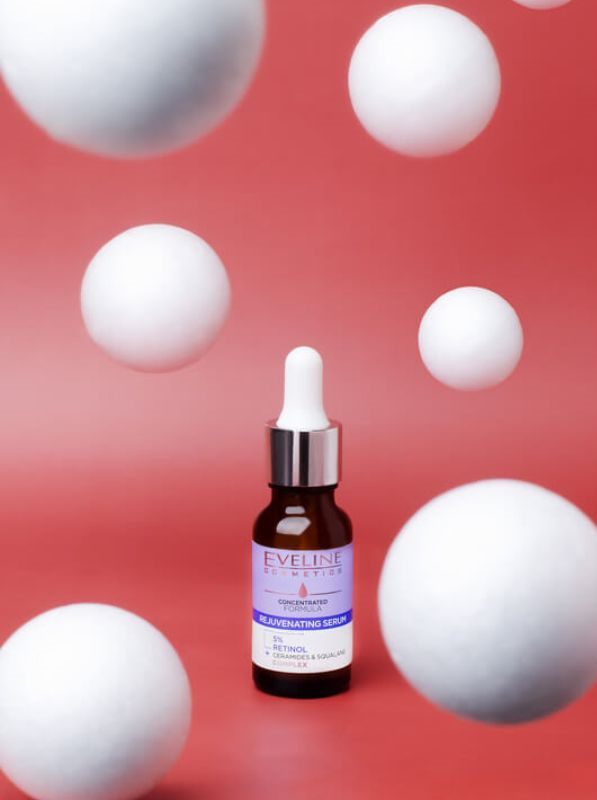
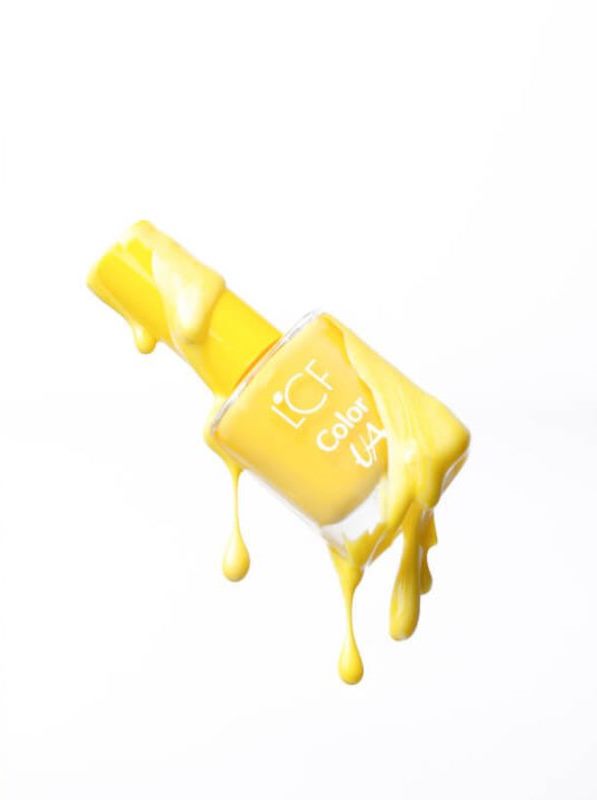
Can you become a successful photographer in Ukraine
I often look at successful photographers and analyze: “How did they do it?” Not with envy, but with curiosity. Because I didn’t start from the most convenient place: with a child in my arms and in conditions where working to the sound of sirens is normal. But I needed this.
Being a photographer is more than “just press the button.” It’s a whole set of roles: you’re your own creative director, ad specialist, manager, salesperson and social media manager. Even if you shoot beautifully but tell no one about it, clients won’t come knocking on their own.
So I decided to act instead of waiting. Because today the internet gives you more opportunities than any office in a big city. You can grow at home, in a small town, even in a village. The main thing is the desire and a little time. Everything else is technique, and that can be learned. Preferably from professionals.
I had a “stable” job, but there was no inspiration in it. And I’m an emotional person, I want to create, invent, experiment. And preferably earn money doing it. And why not, if it’s possible? You can do it too!
Don’t bury your creativity just because “well, I don’t know where to start.” People will help you, explain things, support you. That’s how it was for me.
And my main discovery about the profession of a photographer: it’s really about influence. About how an ordinary candle in the frame suddenly looks like the perfect gift. How soap becomes the embodiment of care, and a cream becomes the aesthetics of self-care. And the feeling when you see that your work brings results and money is incredible.