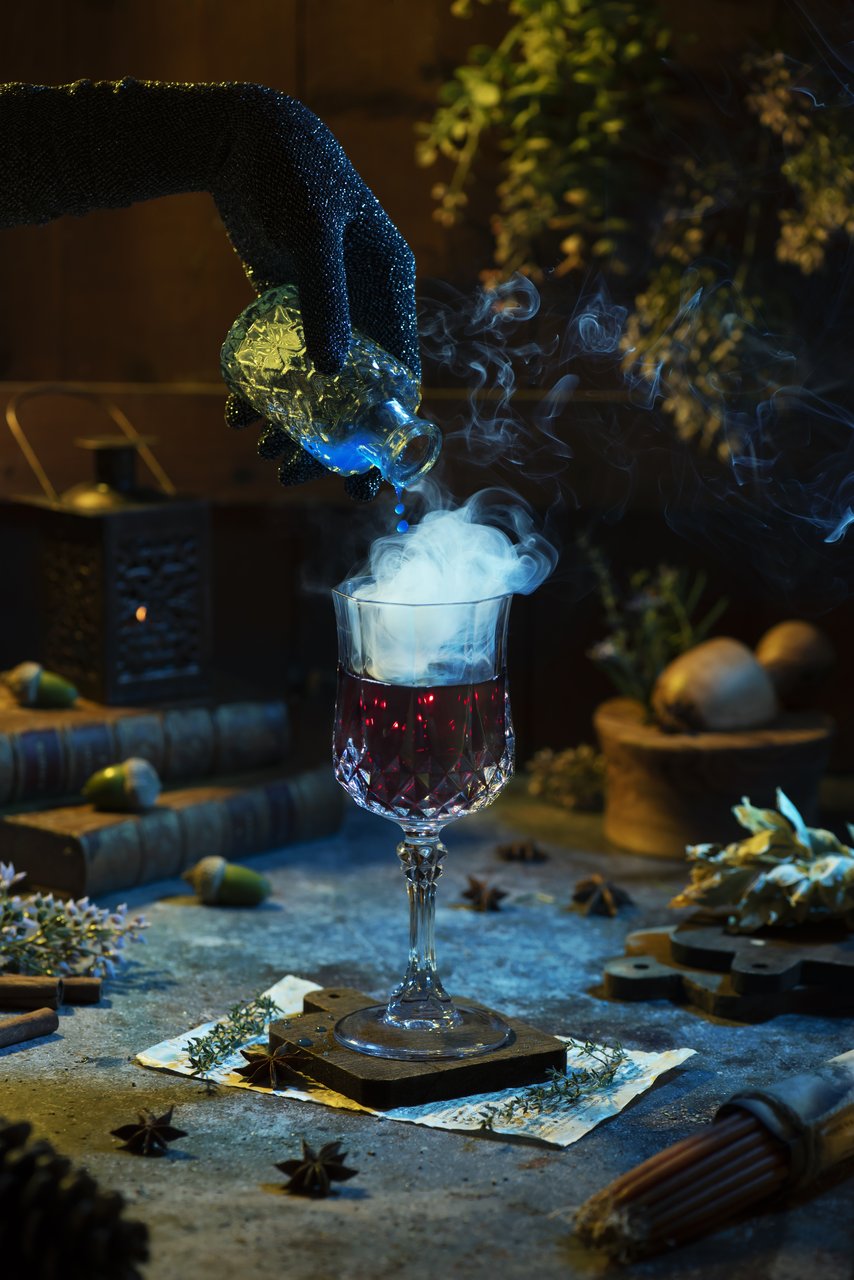
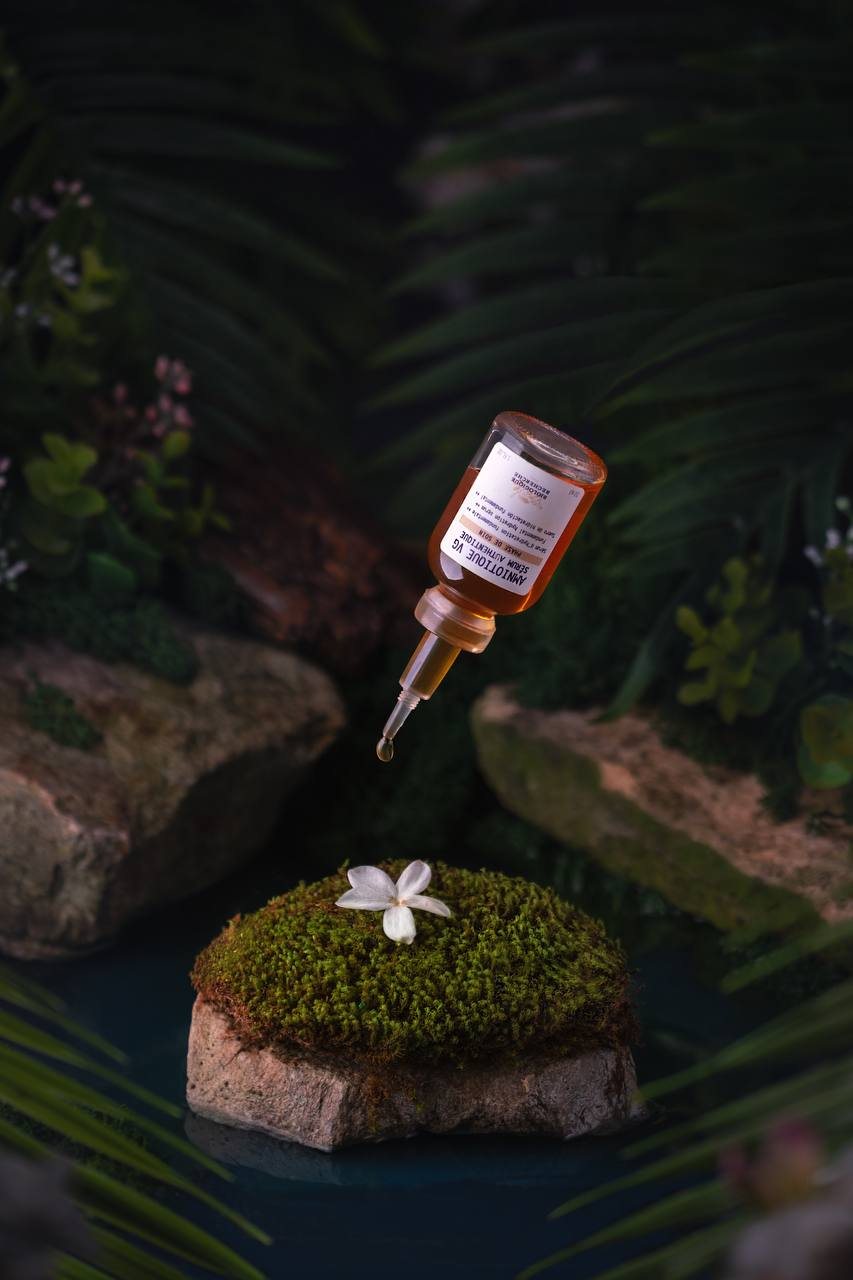
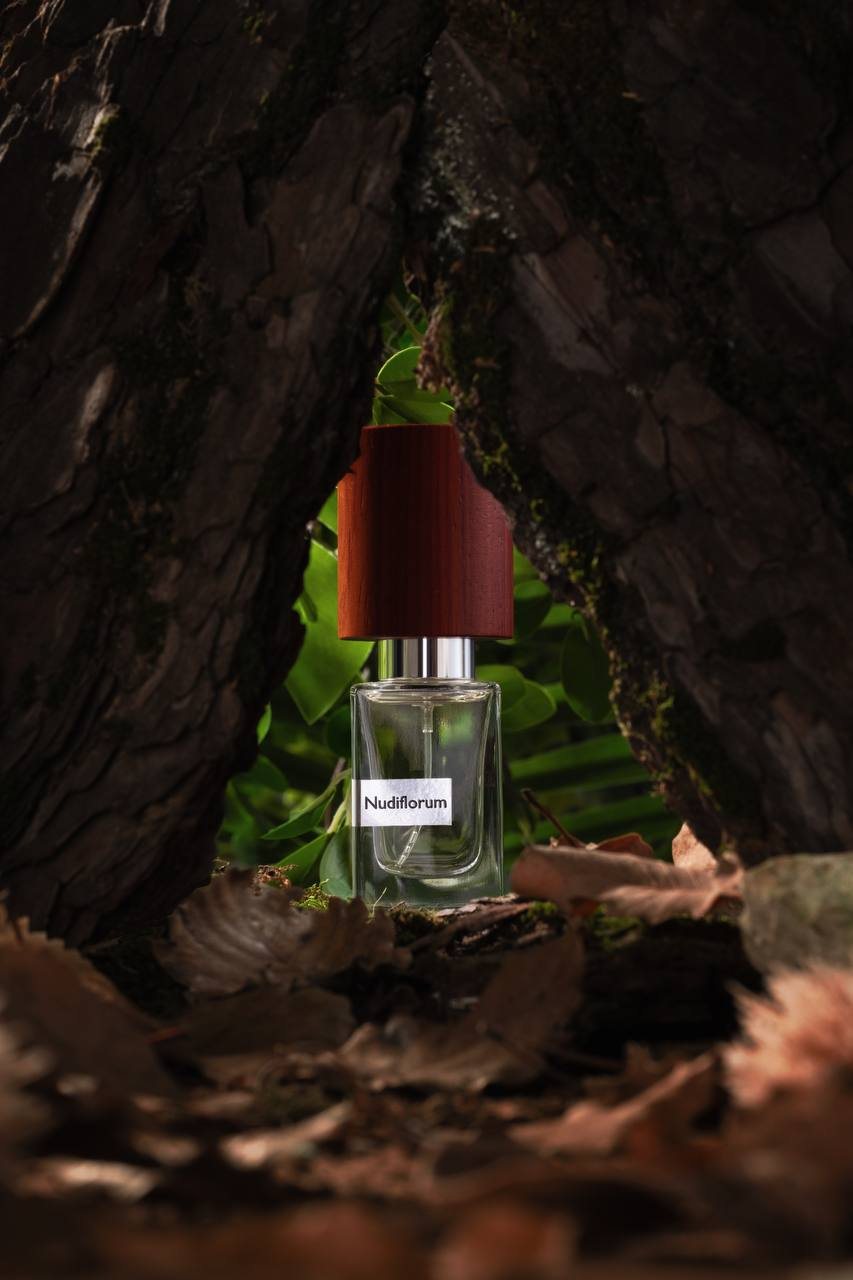
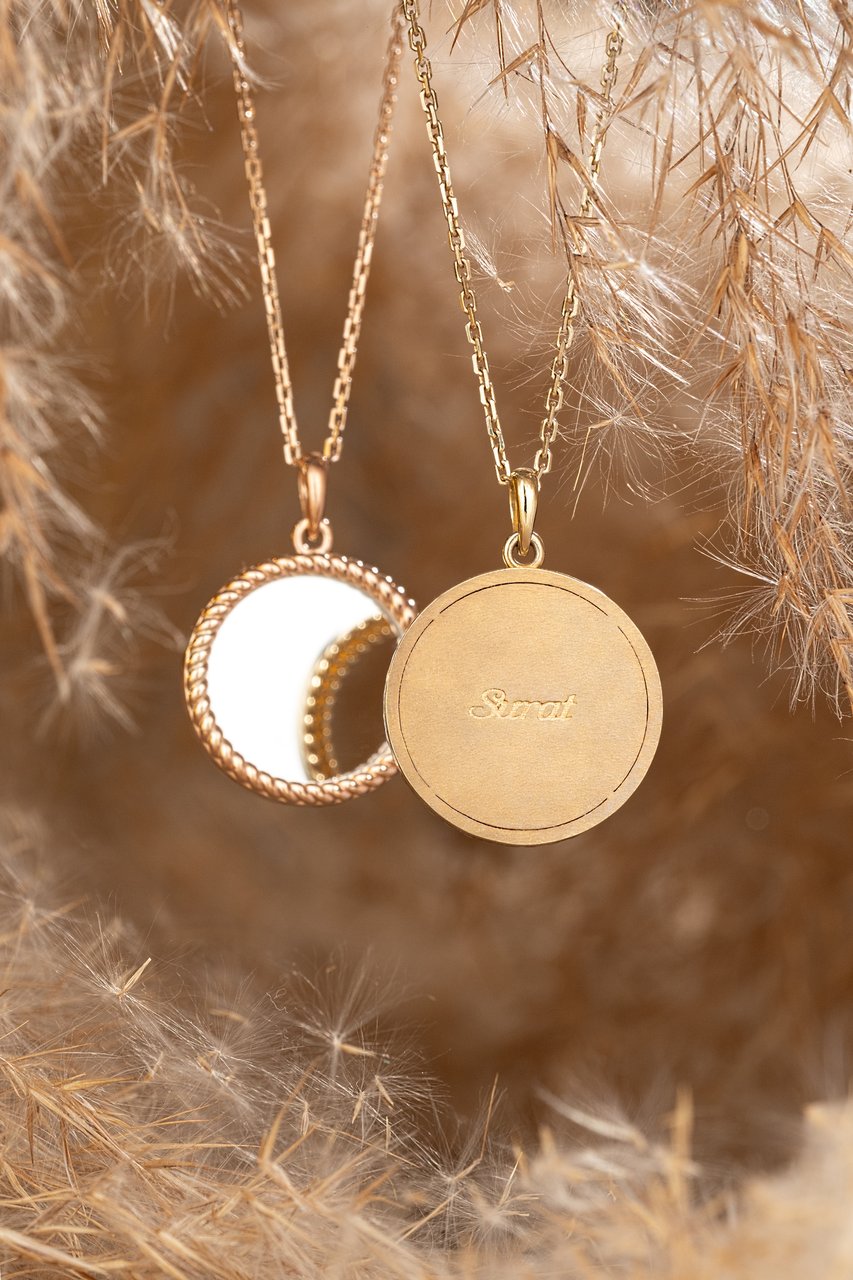
I was missing air
I grew up in a family of artists, so from childhood I was in a creative atmosphere and had a certain artistic vision. I tried many different creative activities. At some point I realized I really liked taking photos. I think it’s because my artistic vision always helped me see the shot and put all the elements into the right composition. So I bought my first camera and started shooting.
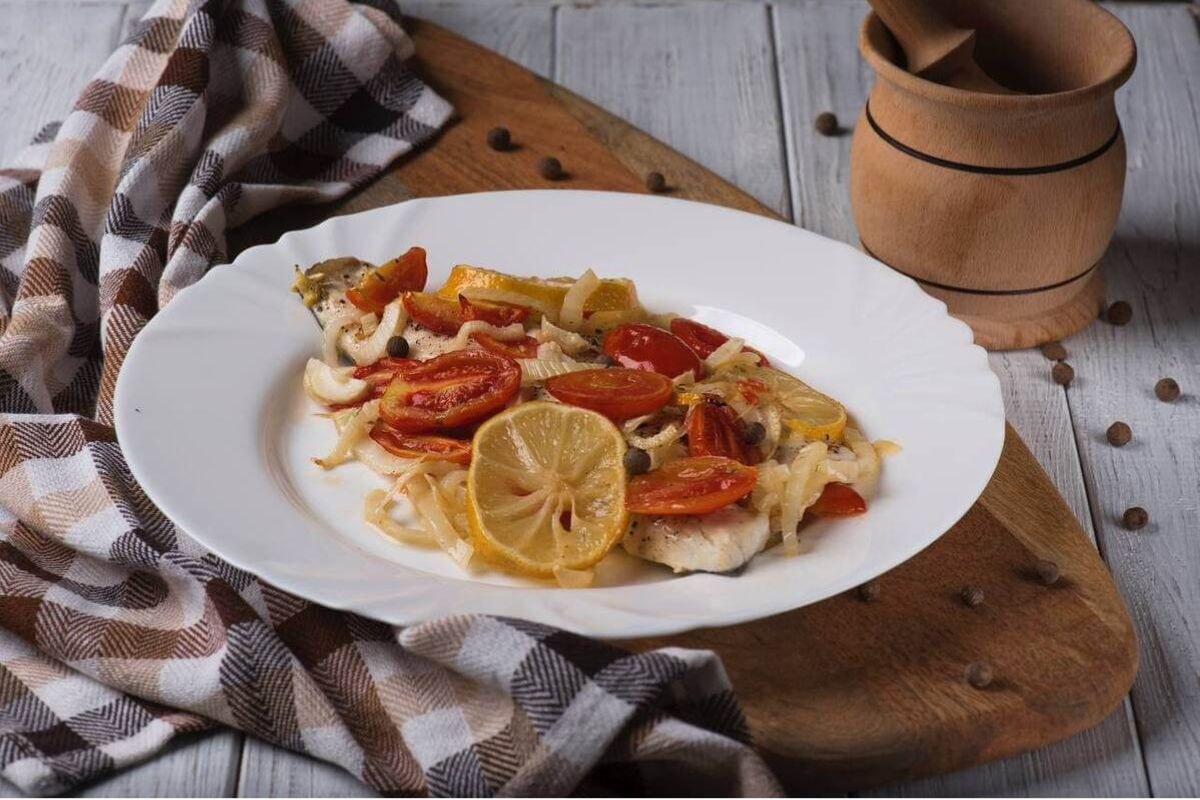
Some of my photos turned out pretty well. But the more I shot, the more often I noticed that my pictures seemed to be “missing air.” Only later, during my studies, did I learn that the problem was a lack of perspective. That’s when I first thought about finding good photography courses or a photography mentor.
Is the sun a photographer’s jackpot or not?
I’ve been living abroad for many years, in a sunny country. There’s a lot of sun here almost every day. I thought that was just perfect for a photographer, because I had read somewhere that the sun is the best lighting since it’s natural. But when I shot in the sun, the photos came out, to put it mildly, not great. Then I understood that my artistic instinct wasn’t enough after all. That was the second reason to go and study.
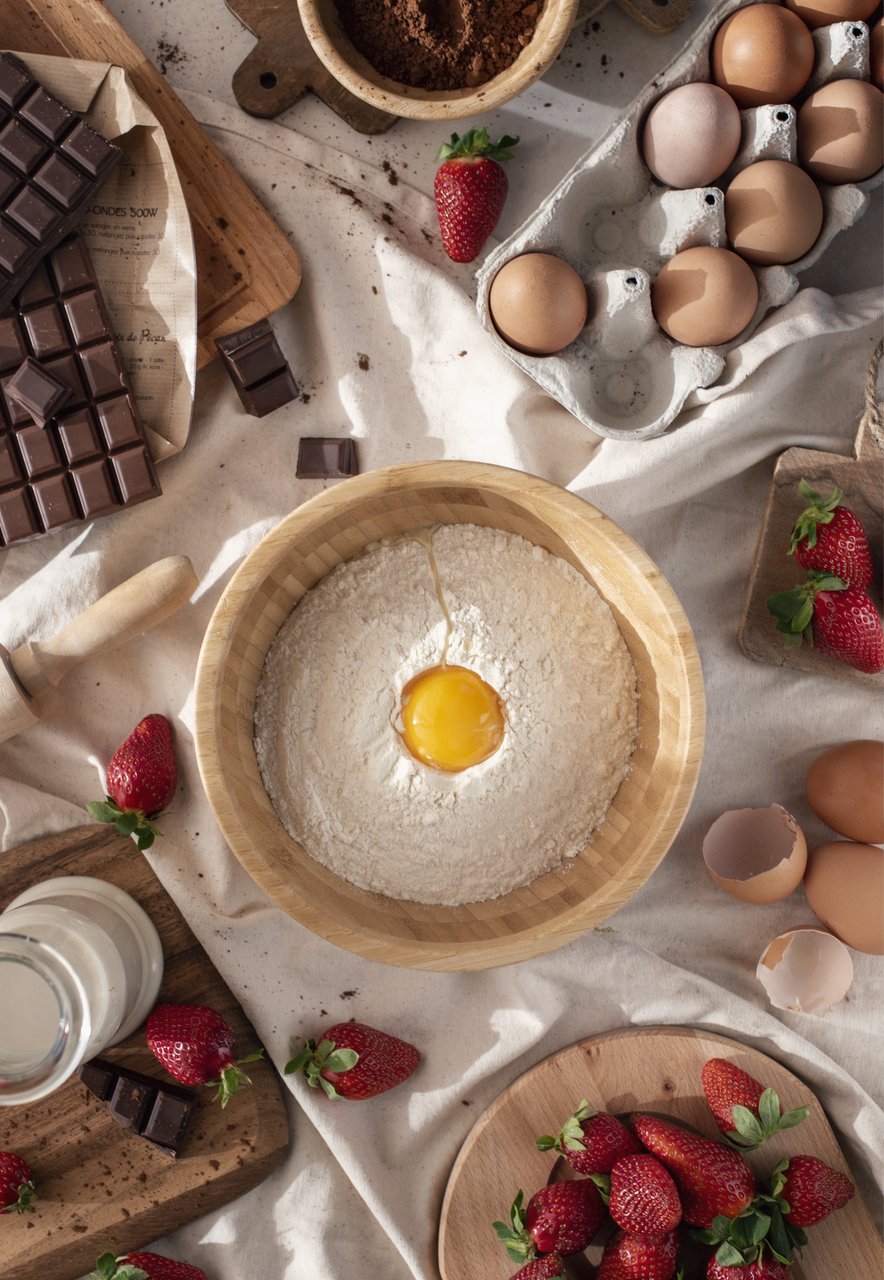
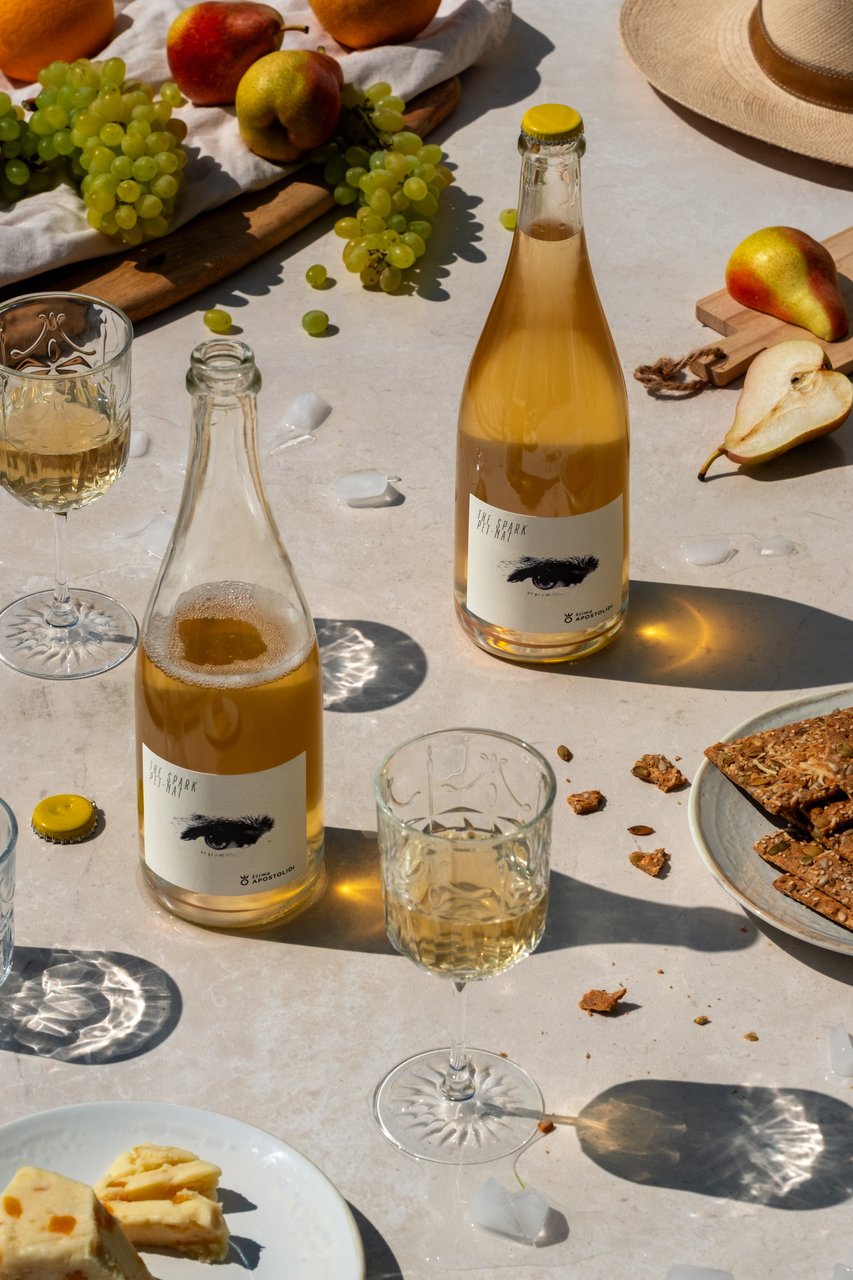
I was most interested in product and food photography. I wasn’t looking for a school, I was looking for a good photographer who would teach me everything. But then the COVID pandemic began, and I had to spend a lot of time at home. That’s what pushed me to look for online photography training.
If you’re going to learn, learn only from the best
Everyone I knew was aware that I took photos and planned to study the profession more deeply. And one day some friends of mine, a married couple who own restaurants in Europe, were telling me with delight about a photographer from Ukraine who had shot for their restaurants on commission. It was Alex Slyadnev. They were so happy with his work that they insisted I should study only with him.
My friends knew I was interested in food photography. But neither they nor I knew whether Alex taught anyone or only worked as a photographer. I remember thinking: even if he doesn’t have a school, I can ask him to become my mentor and give me at least a few private lessons.
Some time later I saw on another friend’s social media that she was studying photography. I liked her student work and asked where she was studying. And there it was, the missing piece of the puzzle. It was Alex Slyadnev’s Photo Academy.
Learning from zero
When I started studying at the Photo Academy, I thought I already knew a few things. But it turned out my knowledge was superficial even for a beginner level. So I consider that I started learning from zero.
The material was easy to take in and was presented in such a clear order that everything fell into place in my head. I was really inspired by the creative atmosphere of the school, the community, the practical tasks, the masterclasses and, of course, the assignments.
It was important for me to realize that I can do something perfectly. As it turned out later, I’m quite the perfectionist. And that awareness of my creative talent made me, and still makes me, truly happy. I believe Slyadnev’s school gave me a big push toward creative fulfillment.
Everyone has their own motivation
Of course, things didn’t turn out perfectly right away. So I saw this training as a kind of struggle with myself. I often told myself: “I can do this,” “I’ll manage.” My working method was to set a goal and reach it, even if the work had to be redone many times.
I also respected Alex a lot and really didn’t want to let him down or disappoint him. At first, when he sent me to redo my work several times, I felt hurt and wanted to give up. But over time I started noticing for myself how great the redone photos were becoming, and I felt grateful for that critique.
My discoveries in learning photography
I take in visual information best. So in the lessons everything was clear to me thanks to the demonstrations: Alex showed everything he talked about. The material was easy to absorb, and after the assignment it turned into a skill of my own.
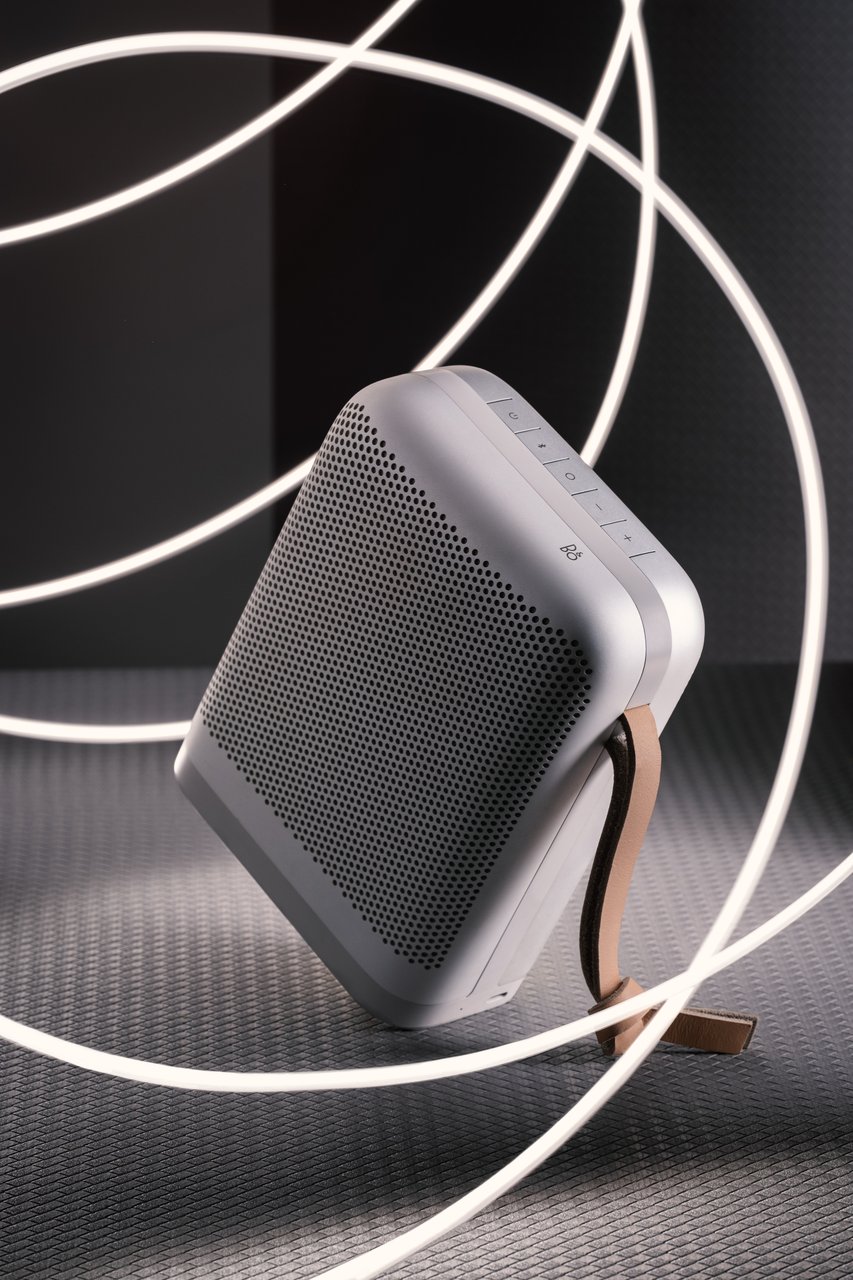
When I learned about the different kinds of light and that direct sunlight is far from the best option, I was surprised I hadn’t figured it out myself. Another discovery was that you can combine different kinds of light in your work. With these lessons my mentor literally lit up the way I see a shot.
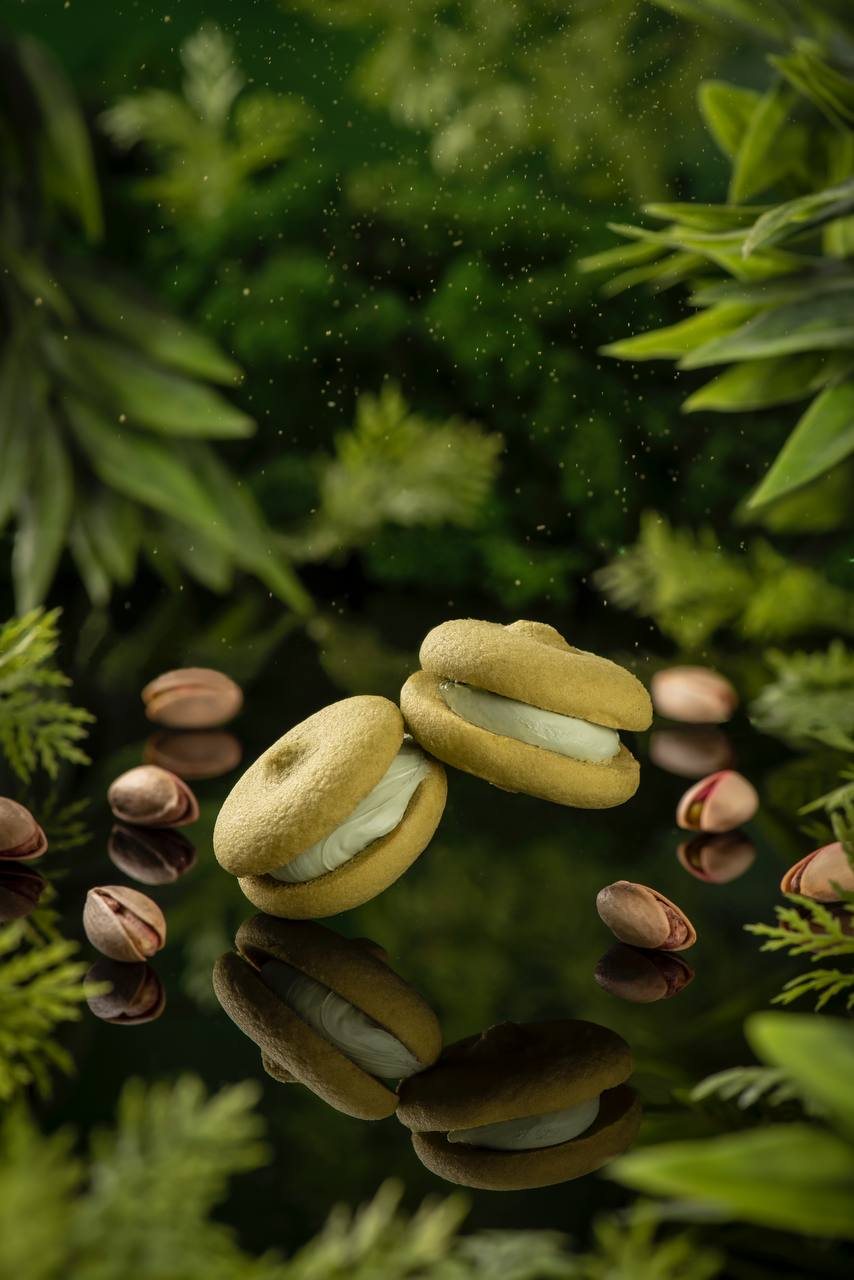
Studying composition was very interesting. Since by then I had already decided to be a food photographer, it was very relevant for me. I used to need a day and countless failed shots to find a composition. Now 15 minutes is enough, and a gorgeous food shot is ready.
The taste of success
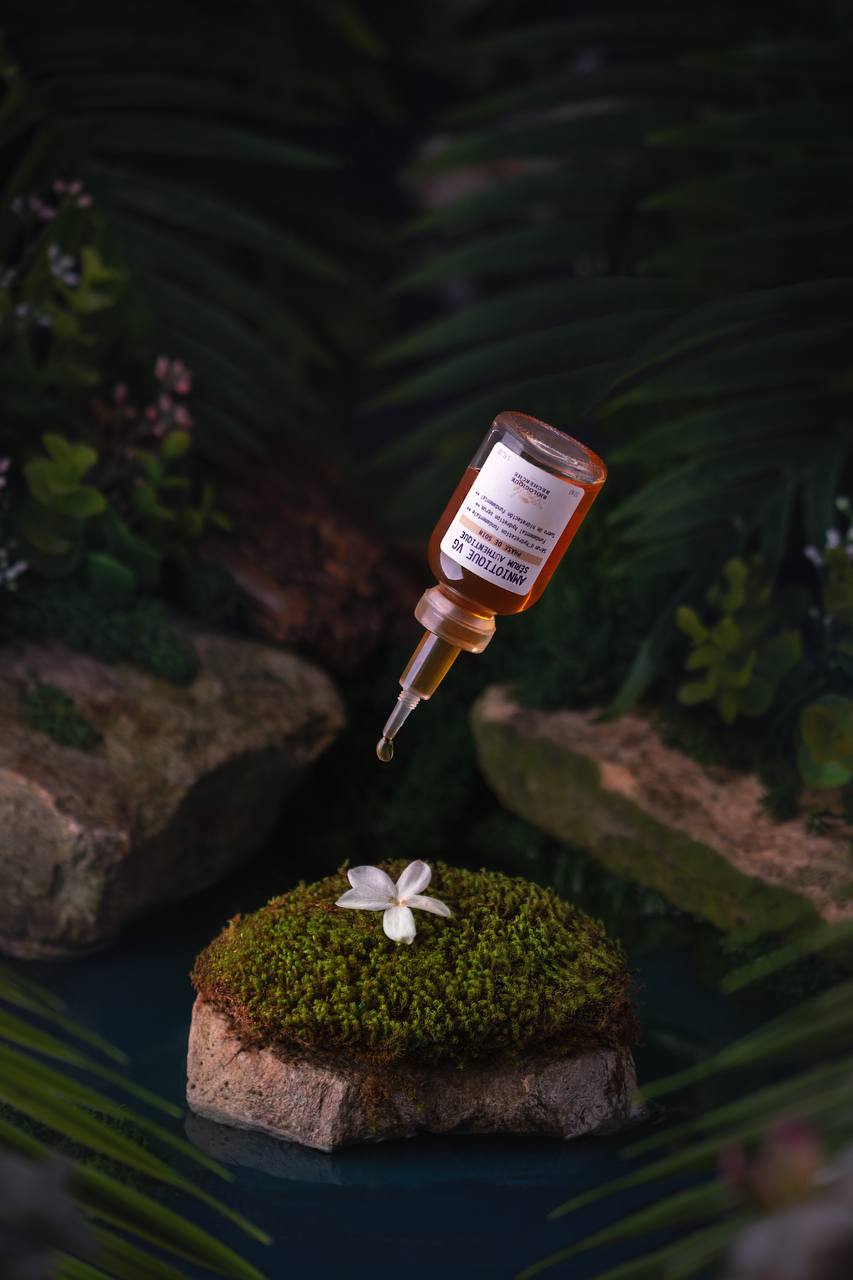
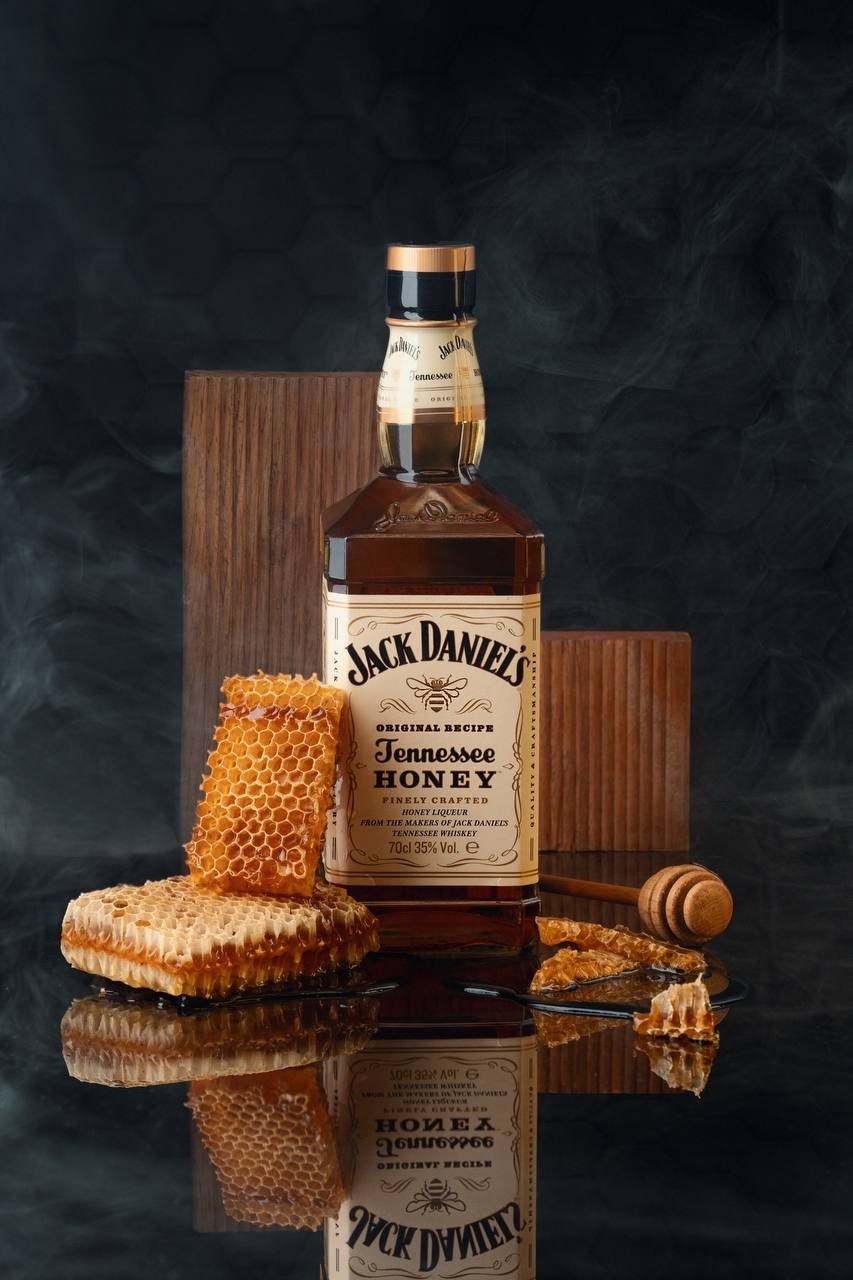
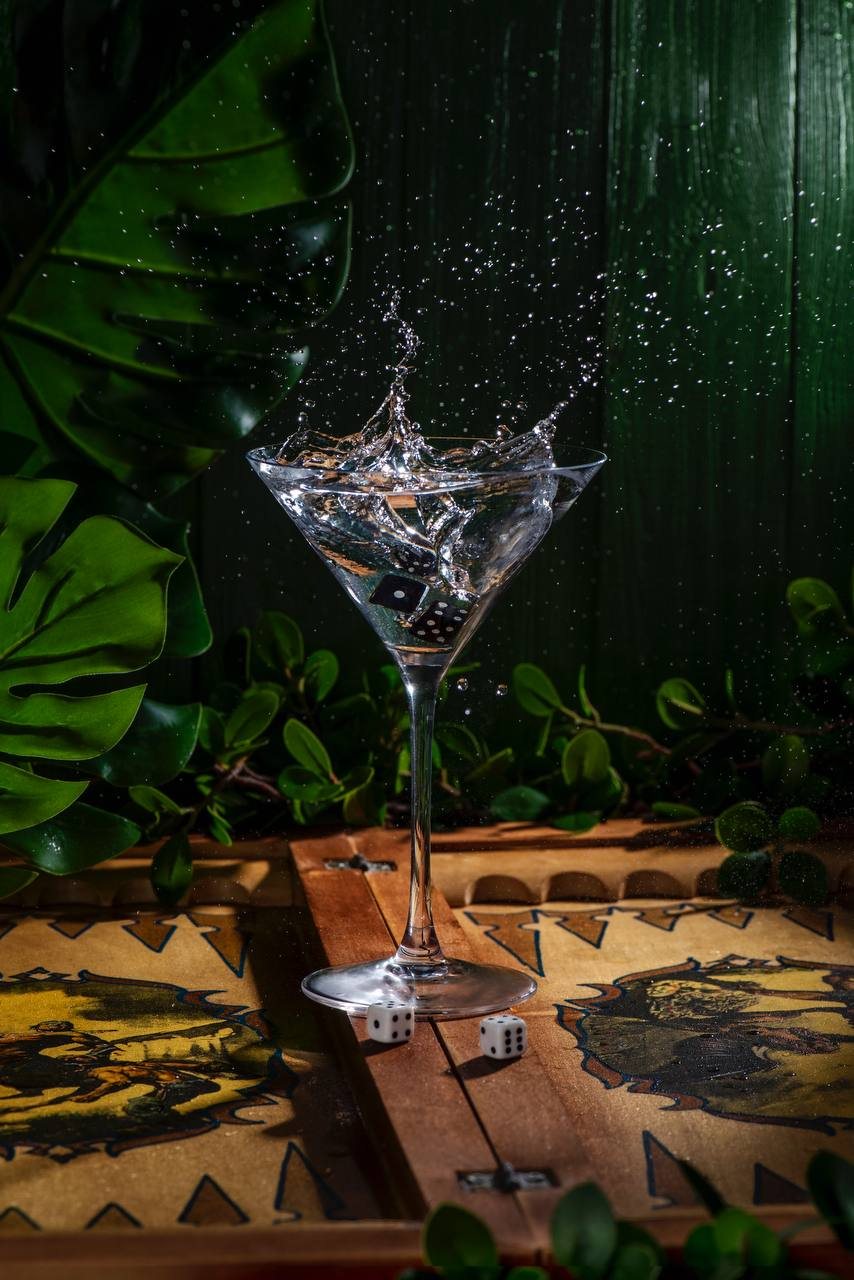
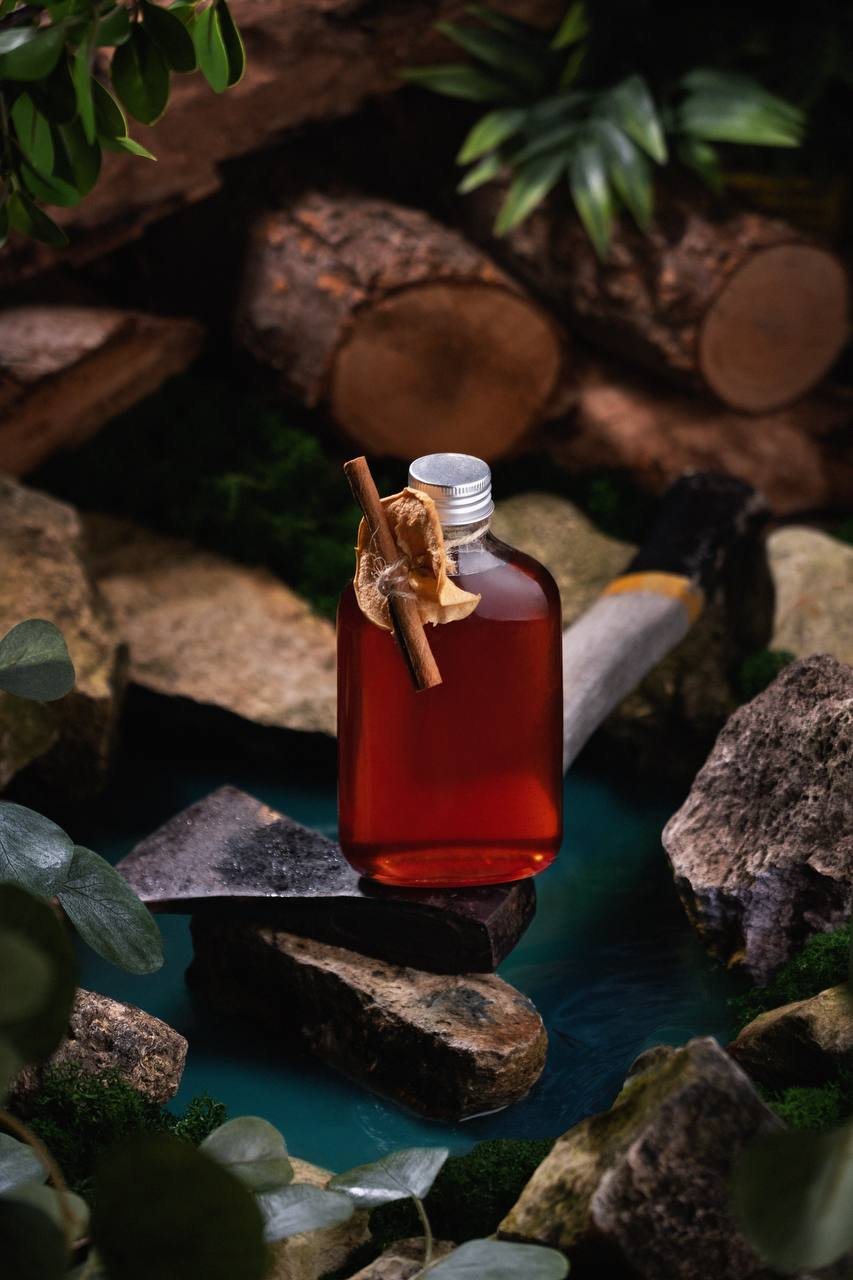
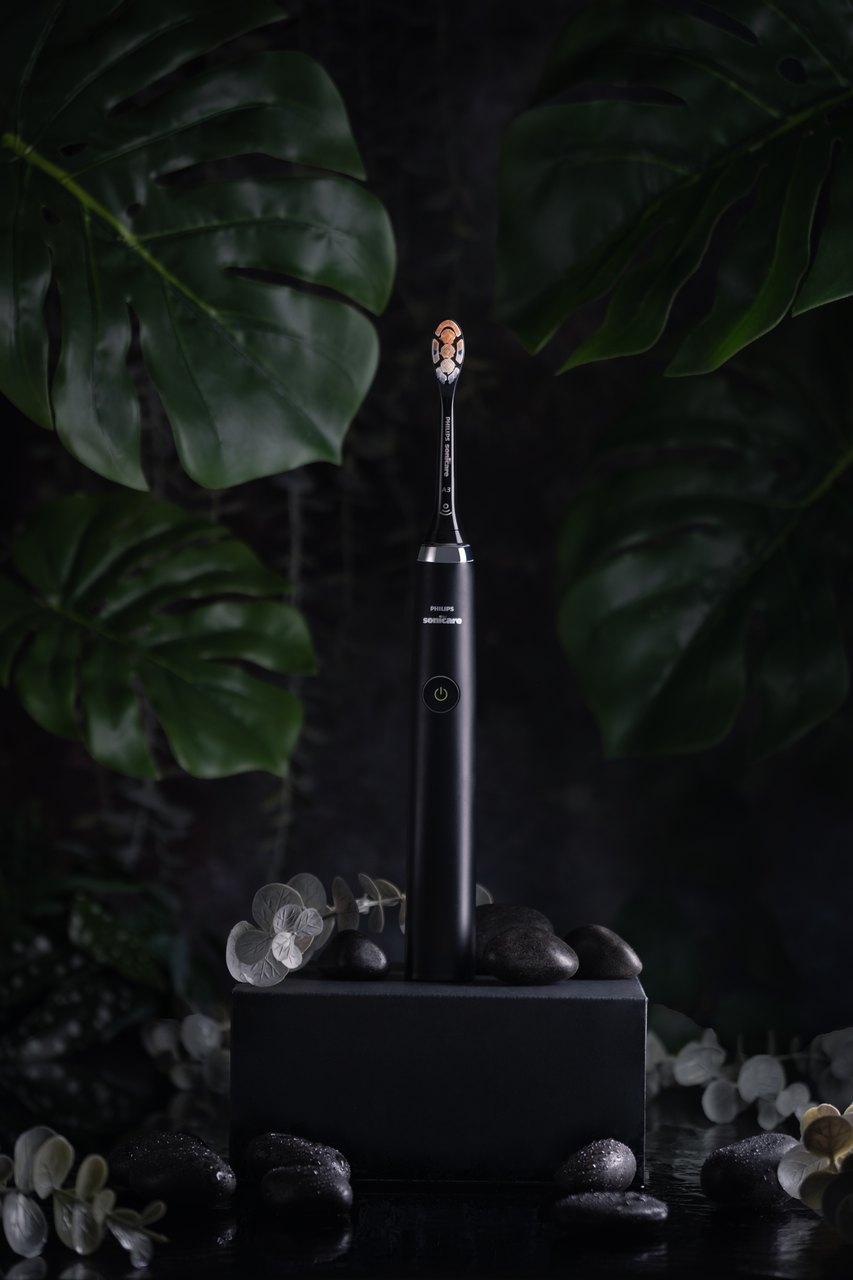
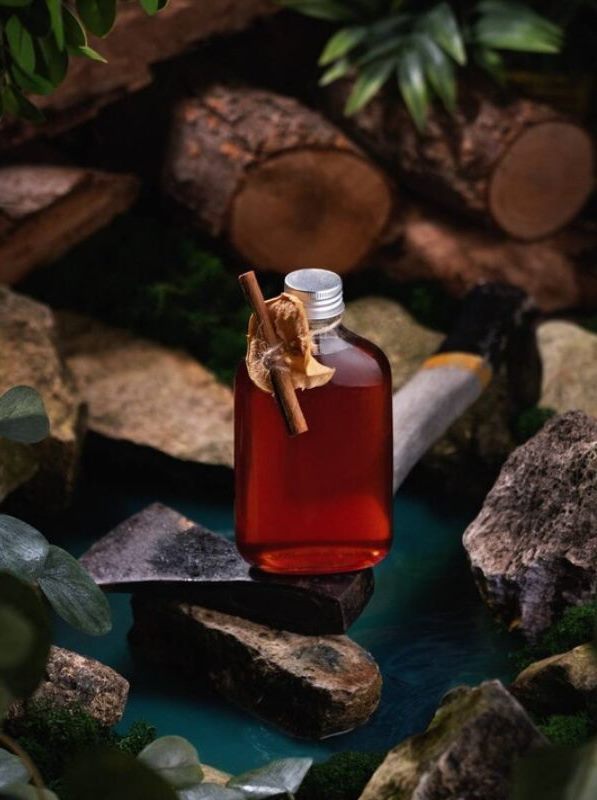
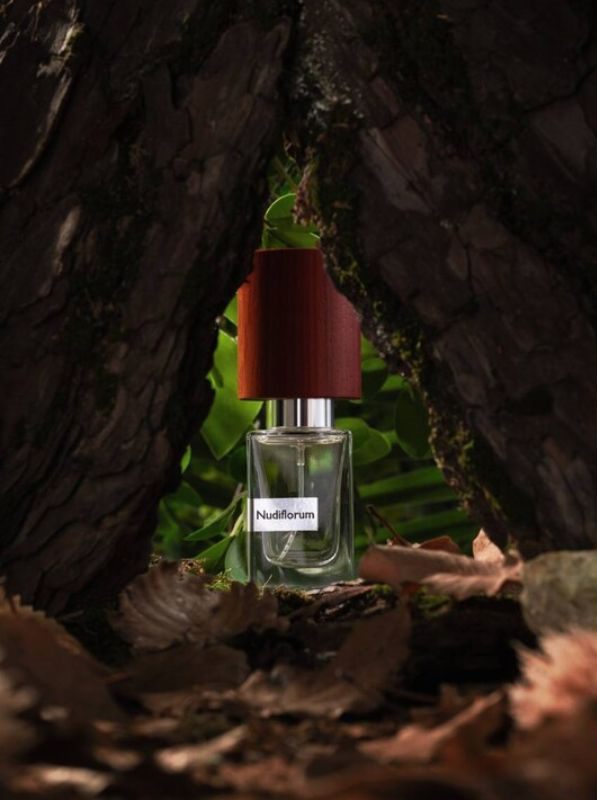
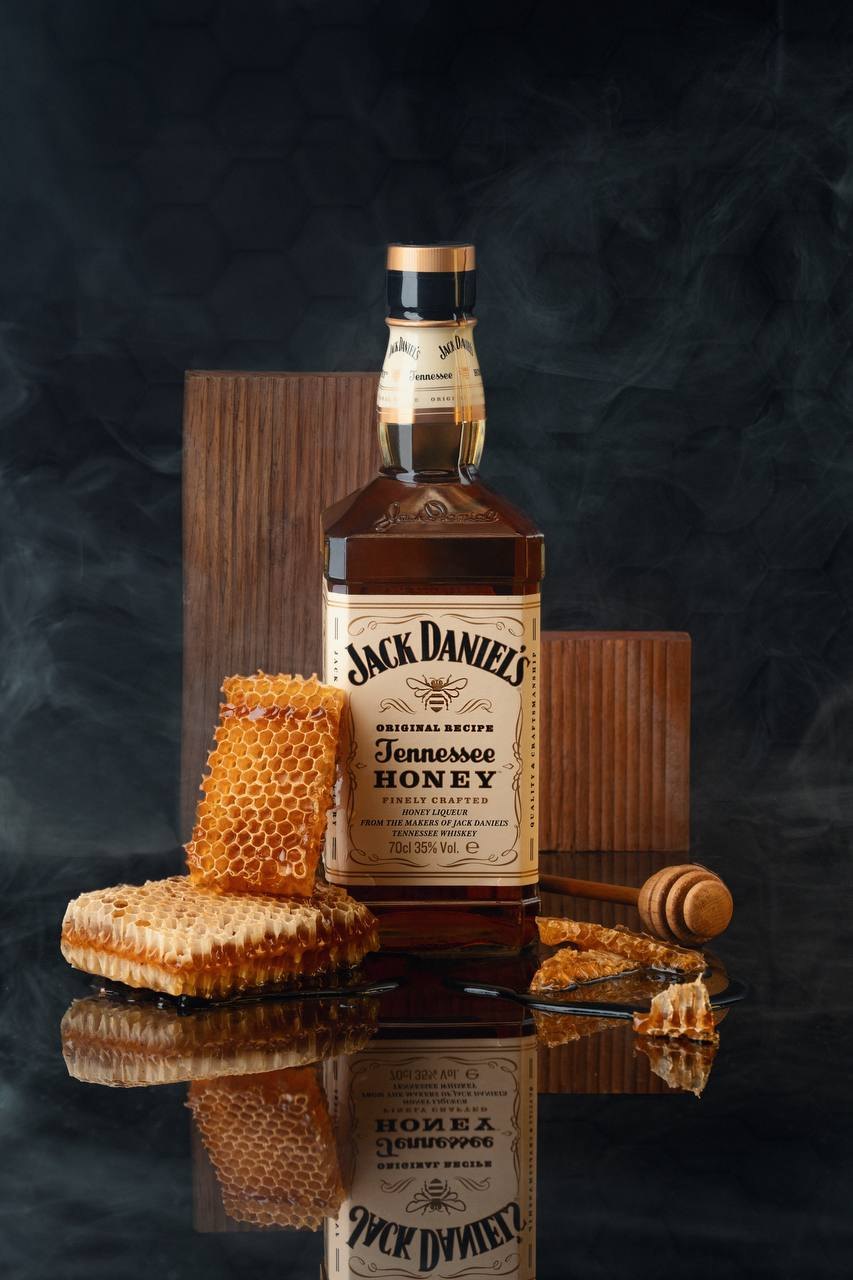
The first time I realized I was worth something was when I looked through the gorgeous portfolio I had put together. I shot all of that work purely within the practical tasks and assignments of the Photo Academy. And the photos were beautiful. On my own, I would have spent a very long time building a portfolio like that, or it wouldn’t have turned out as well.
The topics of composition and light fascinated me so much that I developed and filmed my own practical video lessons on composition and light for the Photo Academy. That’s how I achieved another one of my goals: teaching the art of photography. The students were impressed, and my mentor was very pleased.
I started being more active on social media, where I get a lot of admiring comments on my photos, questions about photography and requests for shoots. It’s very interesting and inspires me to do more.
An online publication interviewed me as a food photographer. I consider that a small success of mine too, and a goal achieved.
Earning money
I got my first booking while I was still studying. My mentor simply said: go and do it. Of course, first we were taught how to talk to potential clients and present ourselves and our work. So the main thing was to push through my own resistance and start. I still take rejections hard, but there are relatively few of them, so I’m learning to take them calmly.
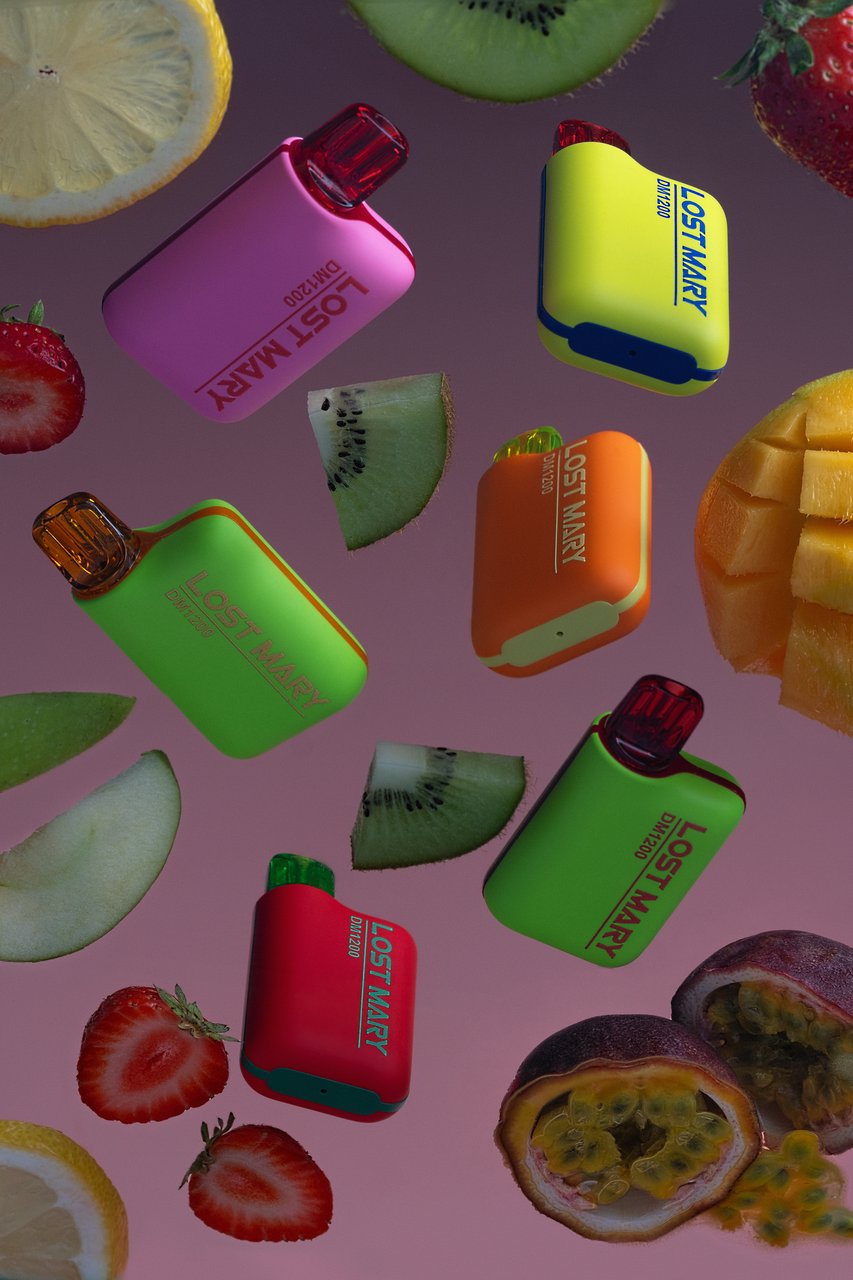
That first booking was from a local cafe: I shot their pizza for the menu and ads. Then someone found me on social media and asked me to shoot jewelry. Food photography is close to product photography, but I hesitated, because I wanted to shoot only in my specialization. But the clients really asked, so out of curiosity I took it on.
After that, bookings came through referrals and social media. I set my fee so that I’d be comfortable working and it wouldn’t scare off my clients. I found some projects myself through specialized platforms. I know how to present myself and convince people that I’m the best one for the project. And it works.
When I realized I had chosen the right school
The Photo Academy and my mentor taught me everything. What mattered most to me was how the training was organized, how well the information was structured and the authority of the instructor. I enjoyed preparing and teaching my own lessons so much that a new dream appeared, or maybe even a goal: to teach the art of photography.
In the future I see myself as an educated professional photographer, a confident person people listen to and want to learn from. I want to become an outstanding, high-priced food photographer. I’m working on it and, most importantly, I finally feel fulfilled and happy.